
ULM pilot guide
How to Cross the Mediterranean by ULM
There is no single Mediterranean crossing plan for every ULM. A credible plan starts with the aircraft, pilot, season and available route, then connects each leg with clear group and ground coordination.
Use a stepping-stone route concept
Fly'in Tunisia's existing crossing guidance uses a sequence through southern Europe and Mediterranean islands to break the journey into shorter legs. The exact routing is reviewed for the participating aircraft and current conditions; it is not a fixed route to copy without checking.
Coordinate the group before the first take-off
An escorted crossing works because participants share a clear plan, briefing points and communication process. Timing, regrouping points and practical stops need to be understood before departure, not improvised over the water.
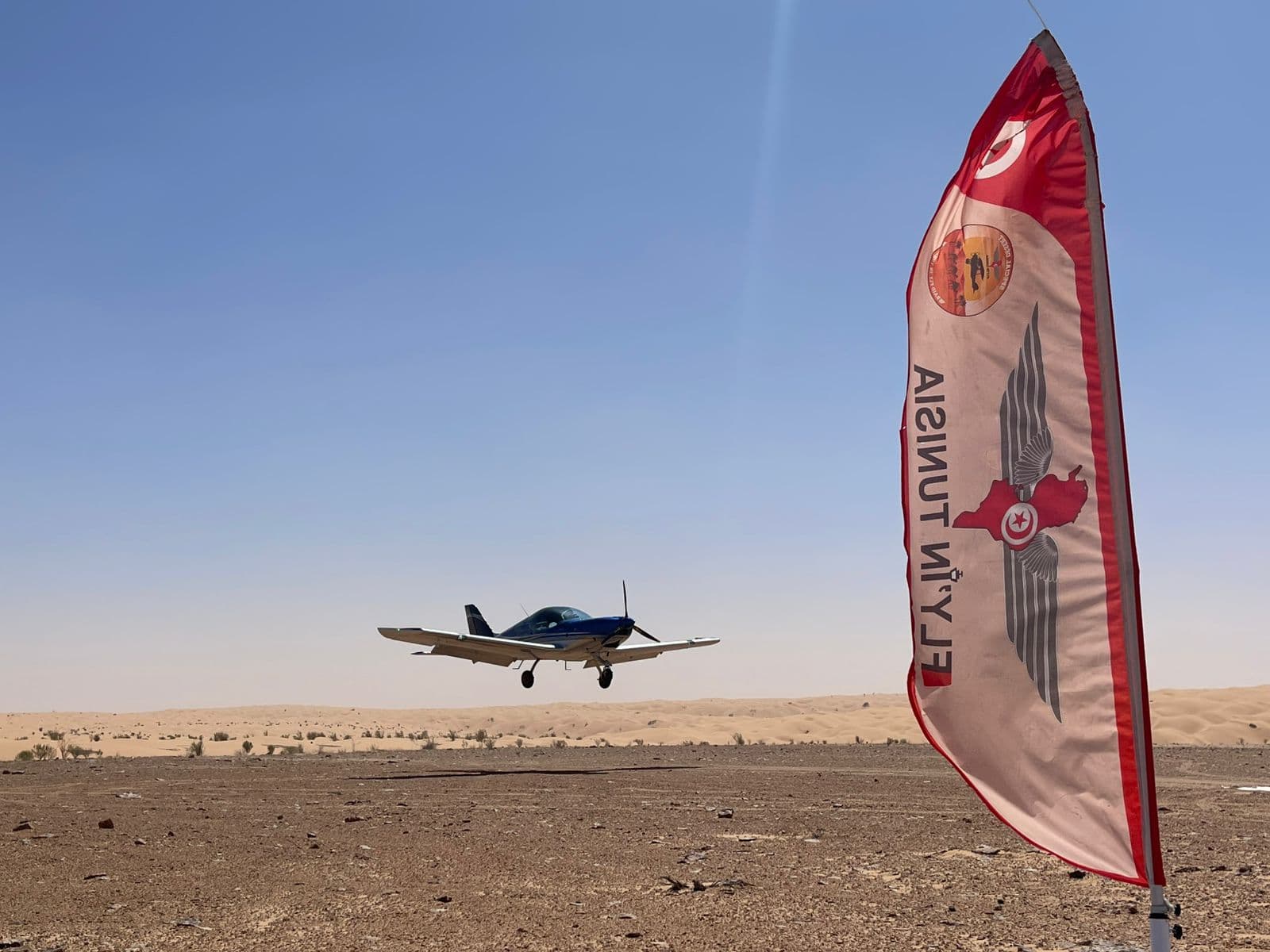
Fly'in Tunisia has guided more than 100 aircraft across the Mediterranean and uses that experience to help organize the crossing around the group taking part.
Plan around the actual aircraft
Range figures alone are not a crossing plan. Aircraft performance, fuel margins, equipment, pilot experience, weather and suitable alternates all need to be reviewed together.
The pilot in command remains responsible for flight planning and the final operational decisions. Coordination supports that work; it does not transfer it.
Use current official information
Airspace, aerodrome, border and documentation requirements can change. Confirm the applicable information for the planned date and route before committing to a crossing.