
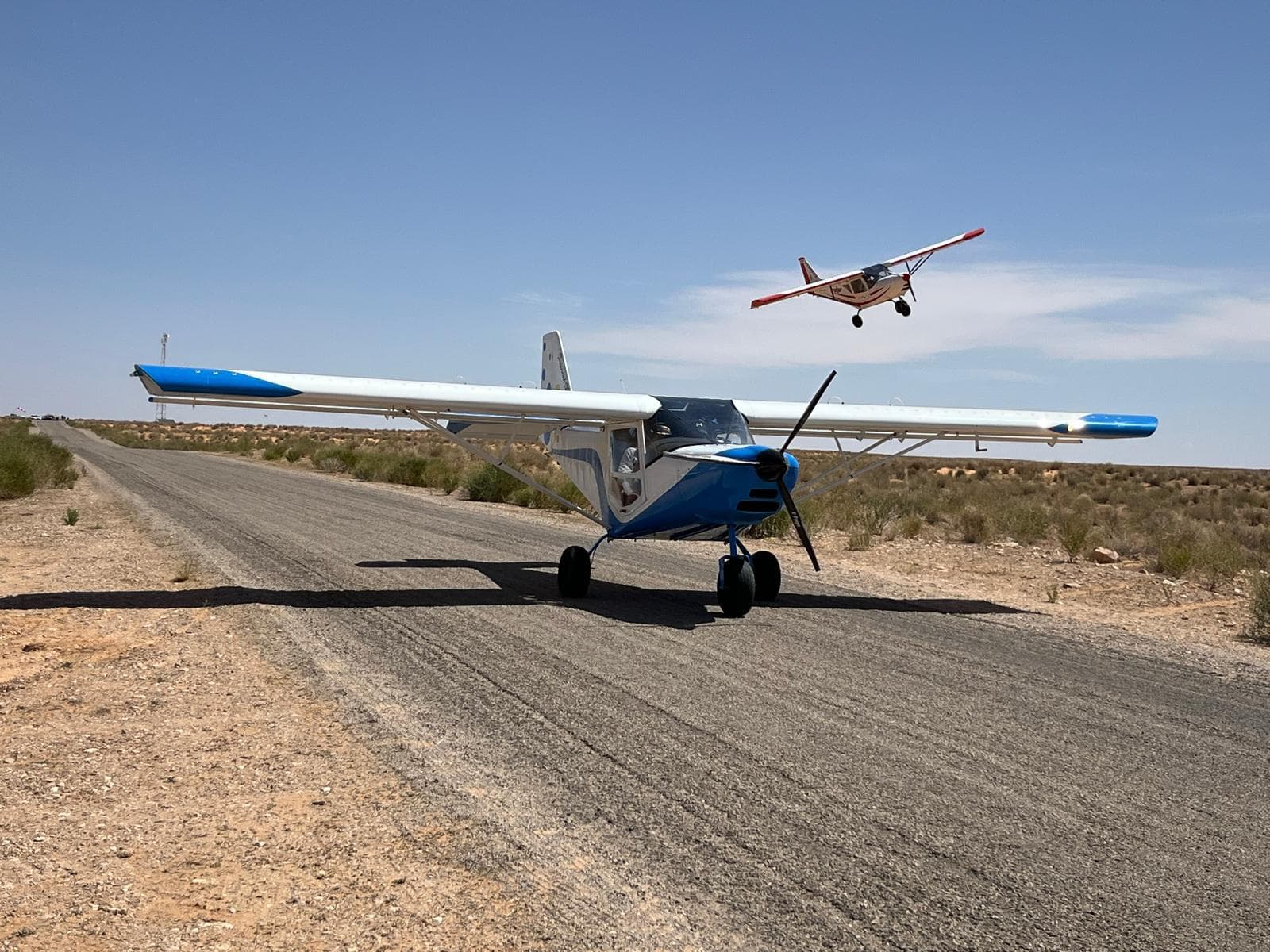
ULM pilot guide
Sahara ULM Flying Guide
Sahara flying is the heart of the Raid Fly'in Tunisia experience, but the landscape is only one part of the plan. Routes, landing environments, accommodation, transport and local assistance must move together.
Build the route around real support points
A useful Sahara itinerary connects the flying with the places where aircraft, pilots and passengers can be supported. Arrival timing, fuel planning, overnight stops and ground transport should be considered as part of the route rather than added later.
Treat every unusual landing as conditional
Unique landing environments are part of the raid experience, but they are never a promise detached from conditions. Suitability, access, approvals, aircraft capability and pilot comfort all need to align for a particular stop.
If a landing is not appropriate for a pilot or aircraft, the wider itinerary can continue using the organization's vehicles and agreed transport plan.
Plan what happens after landing
Hotels, desert camps, transfers, meals and baggage movement determine whether the flying day remains manageable. Coordinating them centrally lets pilots focus on the next leg instead of rebuilding local arrangements at every stop.
Bring the right questions to the first briefing
Discuss aircraft range and limitations, pilot experience, preferred dates, group size and the level of ground support required. That creates a realistic starting point for a route rather than a generic Sahara wish list.